

The Crumbling Myth of the Wise Elder
On Turning 44, Radical Accountability, and Learning Who Not to Be


This past May, I turned forty-four. It is an age that carries a quiet, grounding weight: a threshold where you can no longer pretend to be standing at the beginning of the story, but must instead take ownership of the chapters you are actively writing. For a long time, our culture has sold us a linear promise: that as the years stack up, wisdom naturally accumulates. We are taught to look up the generational ladder and expect to find sanctuaries of emotional maturity, grace, and settled peace.
The Threshold of 44: Auditing My Own Wisdom
While I learned early in life that age is a terrible indicator of maturity, reaching midlife shifts that truth into a personal mandate. In numerology, 44 is recognized as a Master Number: the frequency of the “Master Builder.” It amplifies the grounding energy of the number 4, carrying the weight of solid foundations, divine structure, and practical mastery. It is about taking spiritual vision and anchoring it into stable, daily reality. Turning forty-four isn’t about discovering that older doesn’t always mean wiser; it is about holding up the mirror and checking myself. It is my threshold to ensure that my own wisdom continues to outpace my years, using this Master Builder energy to position myself as a true, valuable elder for the decades to come.
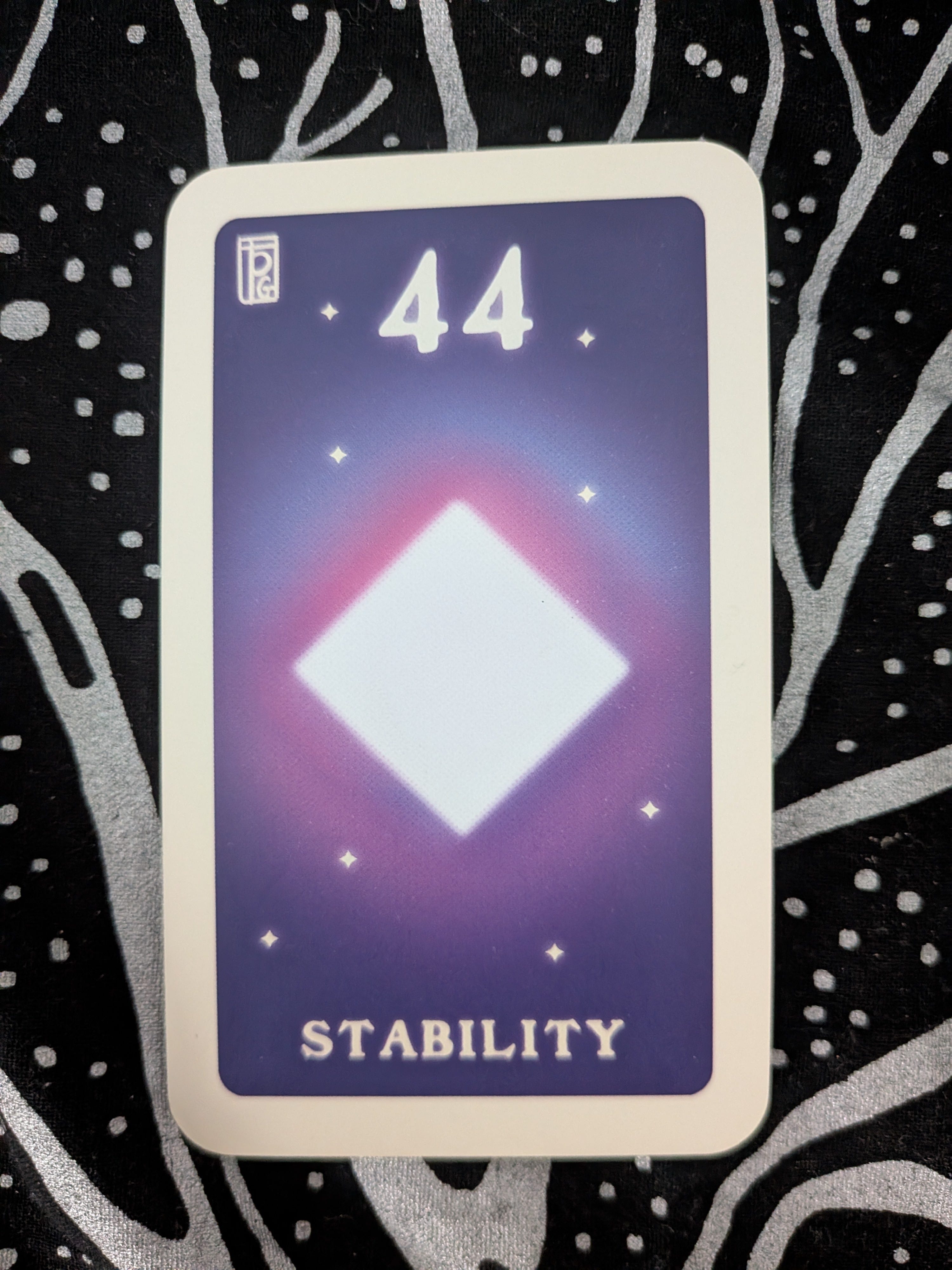
Honoring True Elders: Living Blueprints of Growth
Before we can examine the structural cracks in this generational illusion, we must look at what happens when elderhood is done right. I am endlessly grateful for the true elders in my life, those rare, luminous souls who act as emotional anchors. These are the people who do not demand respect through intimidation, but command it through their presence. They are the ones who listen without immediately planning a defense, who speak with grounded intentionality, and who possess a spaciousness of heart that makes it safe to stumble in their presence. They do not gossip, they do not hoard power, and they do not require you to shrink so they can feel tall. Witnessing them is like looking at a blueprint of what conscious aging can be. They transform the journey of aging into a sacred evolution. They make me want to be better.
Chief among these anchors is my own mother. To have a parent who is also a true elder is a rare, breathtaking blessing, and one I do not for a second take for granted. Throughout her life, she has dedicated herself to the quiet, often agonizing work of emotional growth. Even when the mirror has been painful to look into, she has allowed for deep, unflinching reflection. She doesn’t hold back on thoughtful, genuine apologies, nor does she stop at mere words; she backs them up with active, visible, and lasting change. Watching her navigate her own evolution has taught me more about integrity than any sermon or text ever could. I realize how profoundly blessed I am to walk this earth with her as my living blueprint of a true elder.
The Reality of Emotional Immaturity in Aging
Yet, because these true sages are so rare, we are often forced to confront a heartbreaking reality: many of the chronological “elders” in our families and communities are operating with the emotional capacity of a middle school child, and in some cases, toddlers.
When we look closely at the dynamics of our family systems and social circles, we see people in their sixties, seventies, and eighties utilizing the petty tools of emotional survival: gossip, triangulation, gaslighting, and passive-aggressive manipulation. Instead of offering wisdom, they instigate conflict. Instead of offering a safe harbor, they demand theatrical obedience. Clinical psychologist Dr. Lindsay C. Gibson, who has written extensively on adult children of emotionally immature parents, notes that physical aging does not guarantee psychological development (Gibson, 2015). Many people experience a form of developmental arrest in childhood, remaining trapped in ego-preservation strategies for the rest of their lives.
When Spiritual Bypassing Masks Unhealed Egos
This emotional arrest is particularly insidious when it is wrapped in the language of the sacred. Throughout my life, and in my work with seekers, I have watched emotionally immature elders weaponize spiritual bypassing within family and community systems. They use religious dogmas, scriptures, and spiritual vocabulary to justify their petty actions, stunting the spiritual growth of those around them. Through shame and religious control, people are conditioned into a performative, theatrical faith designed to appease human egos rather than honor their genuine, sacred connection with the Divine.
Witnessing this widespread pattern in my work with clients led me to write my upcoming book, The Sacred Sovereignty Workbook & Guide: Using The Bible to Heal From Scriptural Weaponization. We have to heal from the trauma of being spiritually managed by people who have never done the hard, unflinching work of looking in their own mirror.

Lessons in Reverse: Learning Who Not to Become
Realizing this truth is not a call to arms. This is not a time to chastise, confront, or wage emotional war against the older generation. Trying to force an emotionally immature elder to see themselves is an exercise in futility that only feeds the cycle of drama.
Instead, there is a quiet, profound gratitude to be found here. These individuals, in their unhealed states, offer us a priceless gift: a clear, unvarnished lesson in seeing exactly who we do not want to become. They serve as living cautionary tales, showing us the end result of decades spent avoiding self-reflection, blaming others, and hiding behind defensive egos.
Radical Accountability: A Vow to Age Consciously
As I sit in the quiet power of my forty-fourth year, I realize that viewing them through this lens shifts the energy entirely from bitterness to radical self-accountability. Accepting my age means accepting a sacred responsibility. It means having the courage and strength to look inward, hold myself accountable, and actively learn from my own mistakes so I do not pass those unhealed patterns down the line.
If I want the generation behind me to have access to true elders, I have to be willing to become one. This requires a fierce, daily commitment to my own shadow work. I have to actively ask myself: Am I talking about people behind their backs under the shield of “worry”? Am I using spiritual language to hide from messy, uncomfortable conversations? When I make a mistake, do I have the humility to offer a sincere apology and actually change my behavior?
Turning 44 is my vow to age consciously. I am choosing to channel this Master Builder energy, accepting my years and my evolving role in this world as an invitation to build a sanctuary rather than a storm. We cannot change the elders who came before us, nor do we need to waste energy trying to correct them. But we can thank them for the lesson, take ownership of our own growth, and ensure that when the next generation looks at us, they see a safe harbor, a source of genuine wisdom, and an elder worthy of the name.
Let’s talk about it. Share your insights in the comments and/or join my next live.
Resources & References
Gibson, Lindsay C. (2015). Adult Children of Emotionally Immature Parents: How to Heal from Distant, Rejecting, or Self-Involved Parents. New Harbinger Publications.
Aether Candace. The Sacred Sovereignty Workbook & Guide: Using The Bible to Heal From Scriptural Weaponization. SoulTrine.org.
The Pulp Girls. The Angel Number Oracle: 55-Card Deck and Guidebook. Sterling Ethos.
Aether Candace is the founder of Soul Trine, LLC and Soul Trine Ascend, Inc. Her upcoming release, “The Sacred Sovereignty Workbook & Guide,” provides a scriptural defense and practical pathway for mystics and seekers recovering from religious trauma and emotional abuse within family and community systems.